Latest
30-Day Plank Challenge Chart: The Full Plan, Day by Day
A day-by-day 30-day plank chart that scales every target to your own day-one test, with rest days, instead of sending everyone after the same five-minute hold.
Tips, science, and stories about isometric training — planks, wall sits, and dead hangs.
A day-by-day 30-day plank chart that scales every target to your own day-one test, with rest days, instead of sending everyone after the same five-minute hold.
In the most-cited published plank dataset, college-aged men held a median of 110 seconds and women 72. What the age benchmarks mean, and how to test yours.
What the research shows about isometric exercise and resting blood pressure: the 2023 evidence, what the reductions mean, the protocols studied, and how to start sensibly.
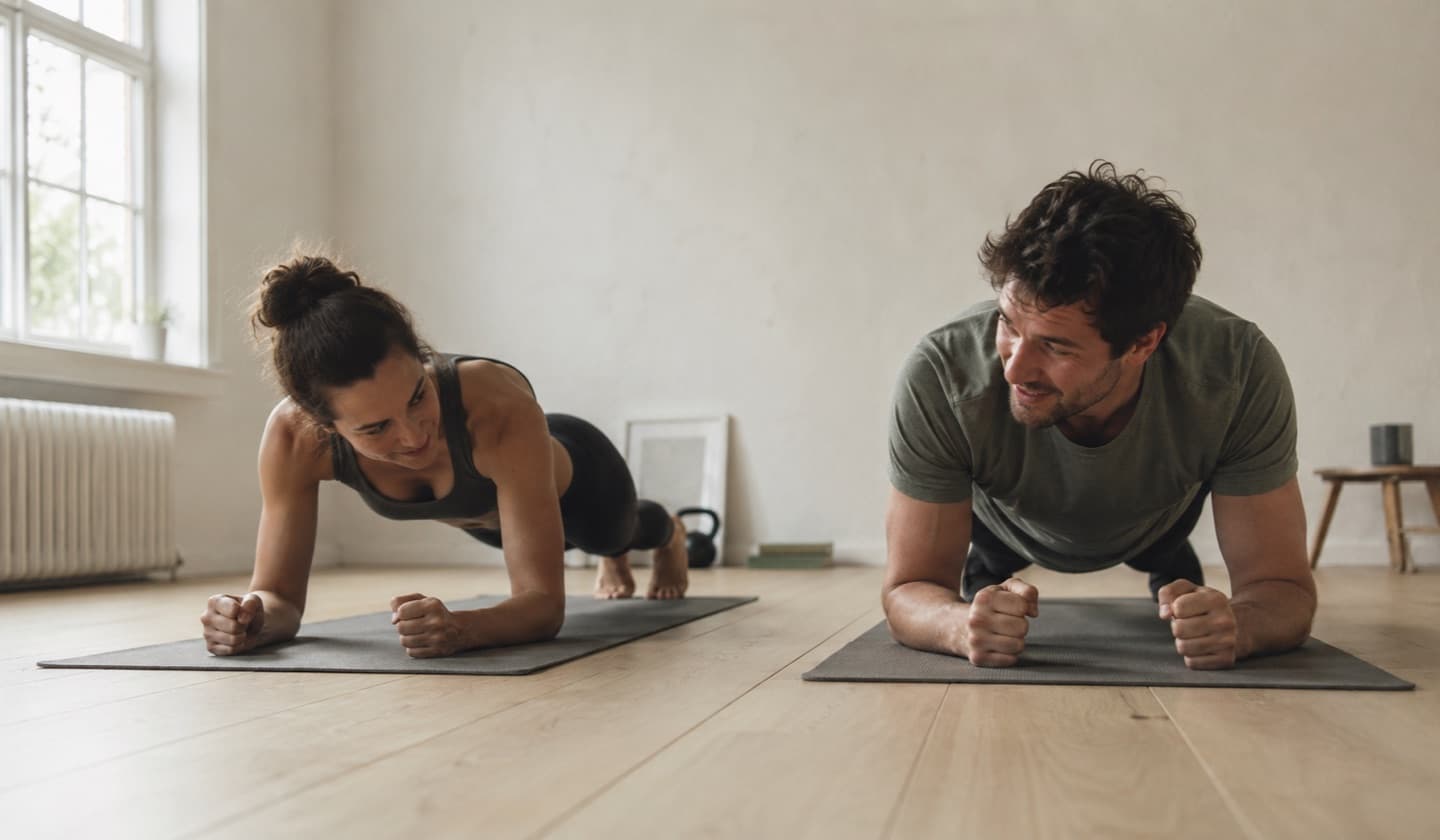
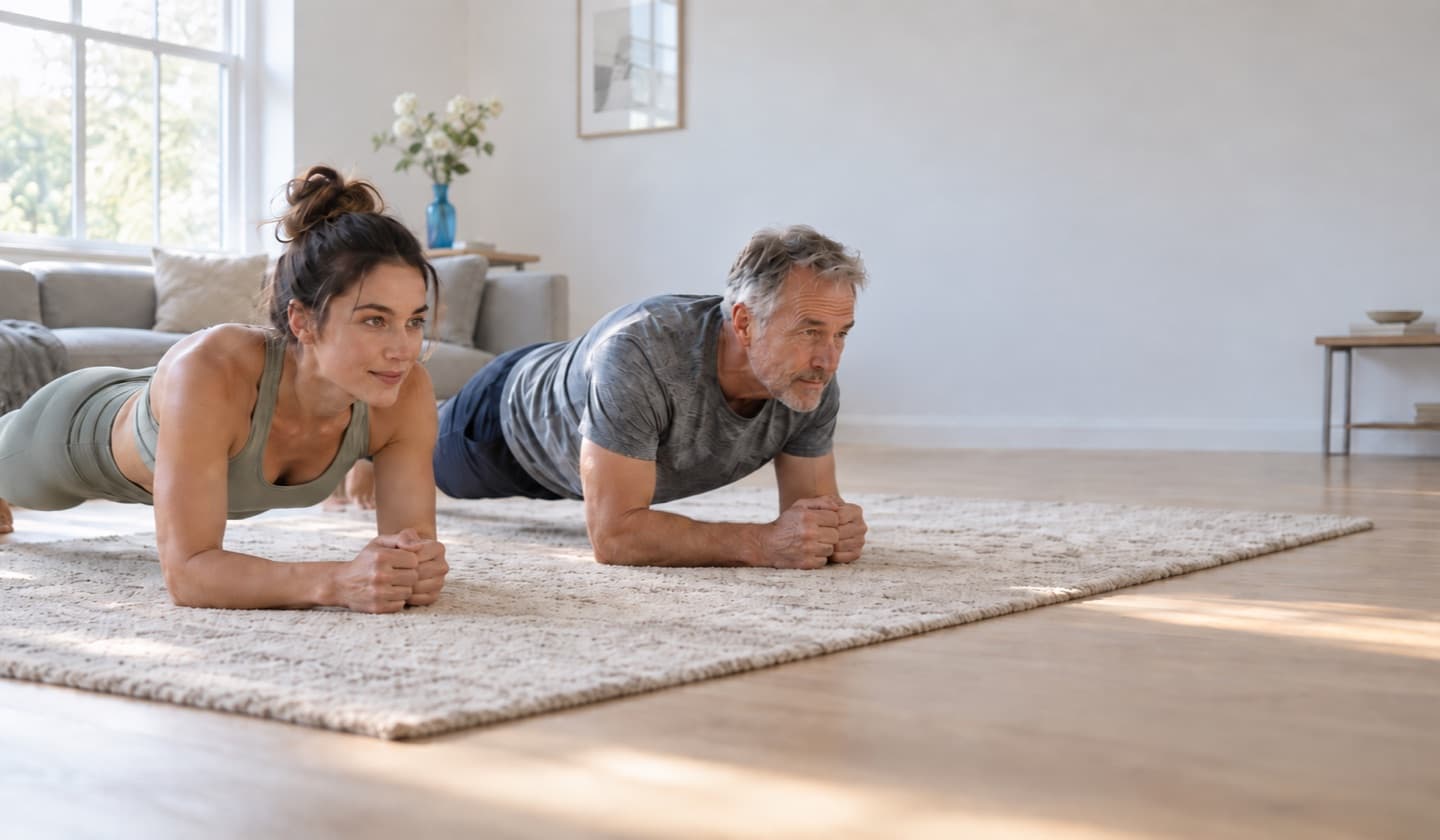
The Köhler effect (Kohler effect) is why the weaker member of a team tries harder. In plank studies, people held on about 24 percent longer with a partner.
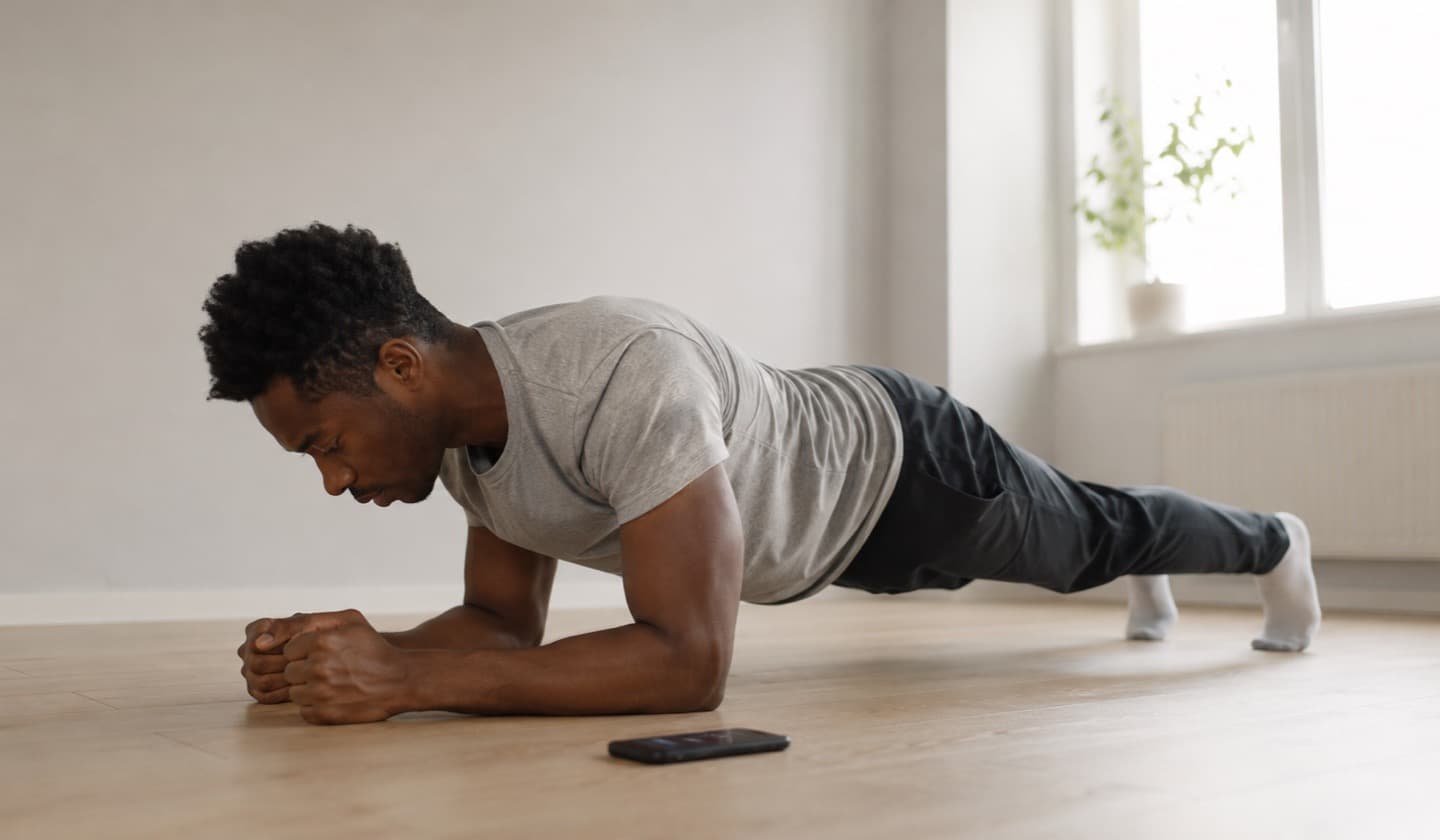
A personalised four-week plank challenge built around your own starting time, with a clear week-by-week plan, the test-and-retest method, and how to do it with friends.
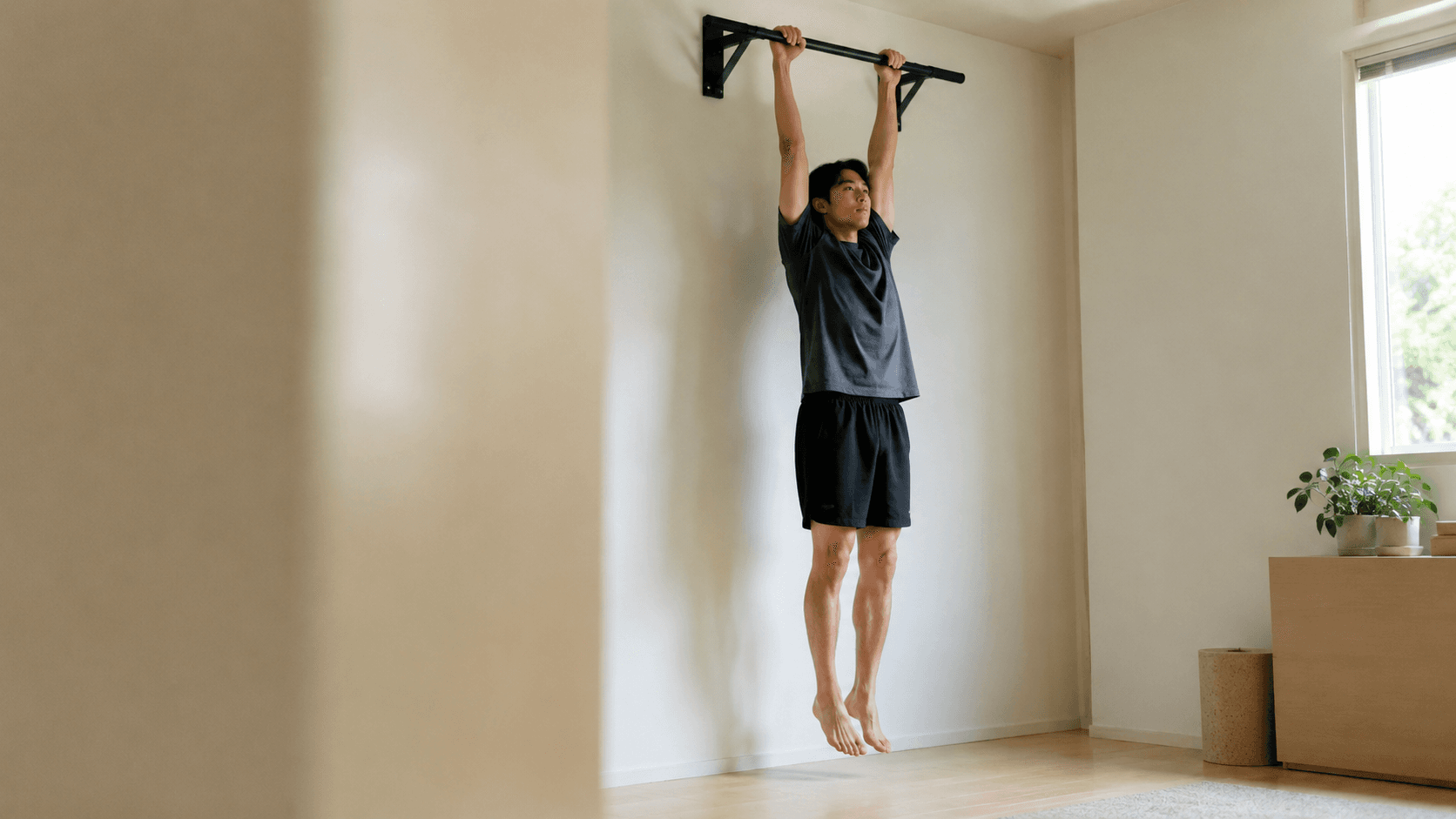
Doorway bar if you rent and mostly hang, wall-mounted if you can drill and want real pull-ups. Every type of dead hang and pull-up bar compared, with weight limits, safety checks and no-drill options.
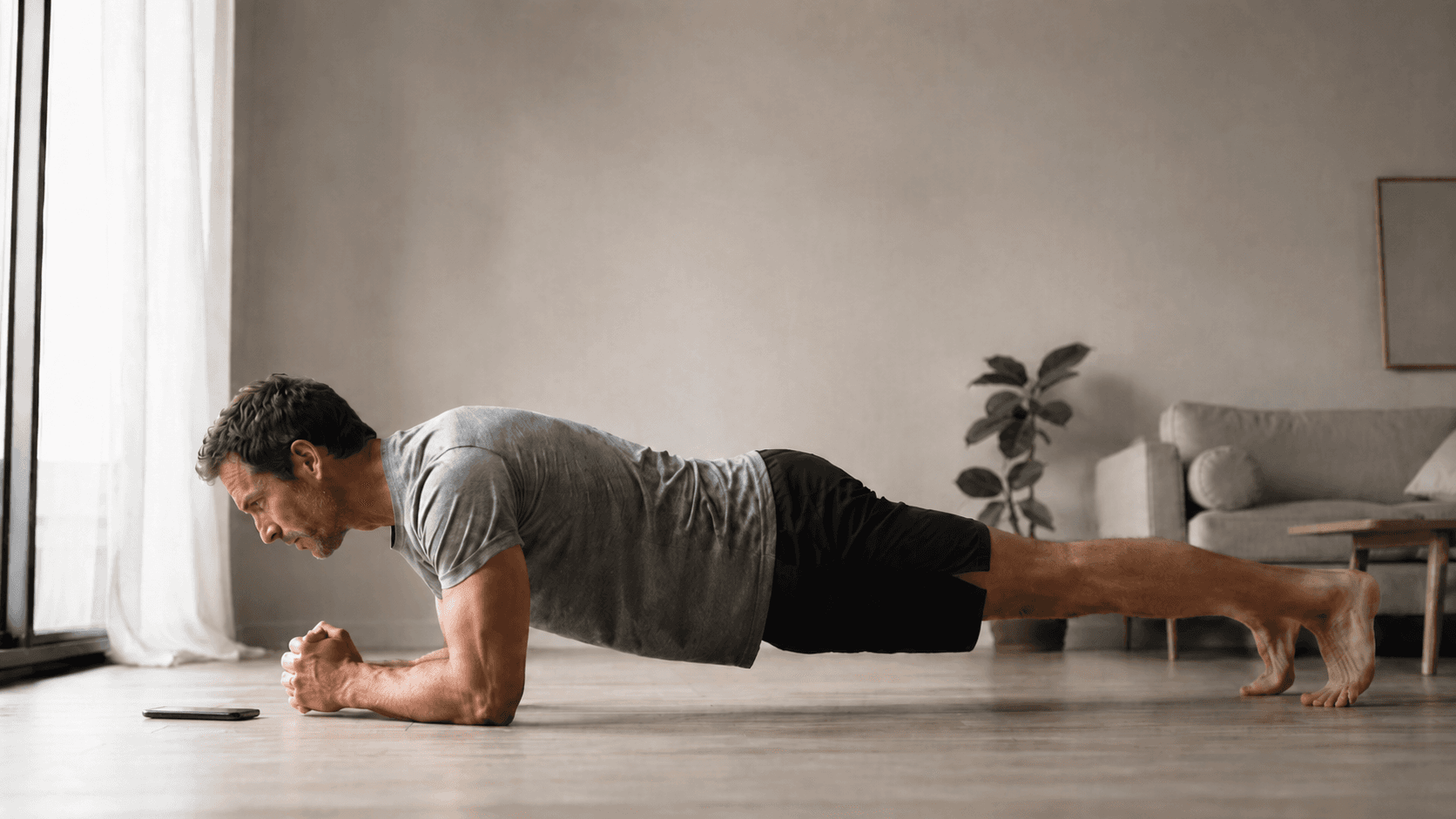
For most healthy adults, 30 to 60 seconds with clean form is the useful target. What the research says about duration, what counts as a good time by fitness level, and how to progress safely.

What the research actually shows about isometric holds and stress, and why a four-minute reset routine is worth trying tonight.
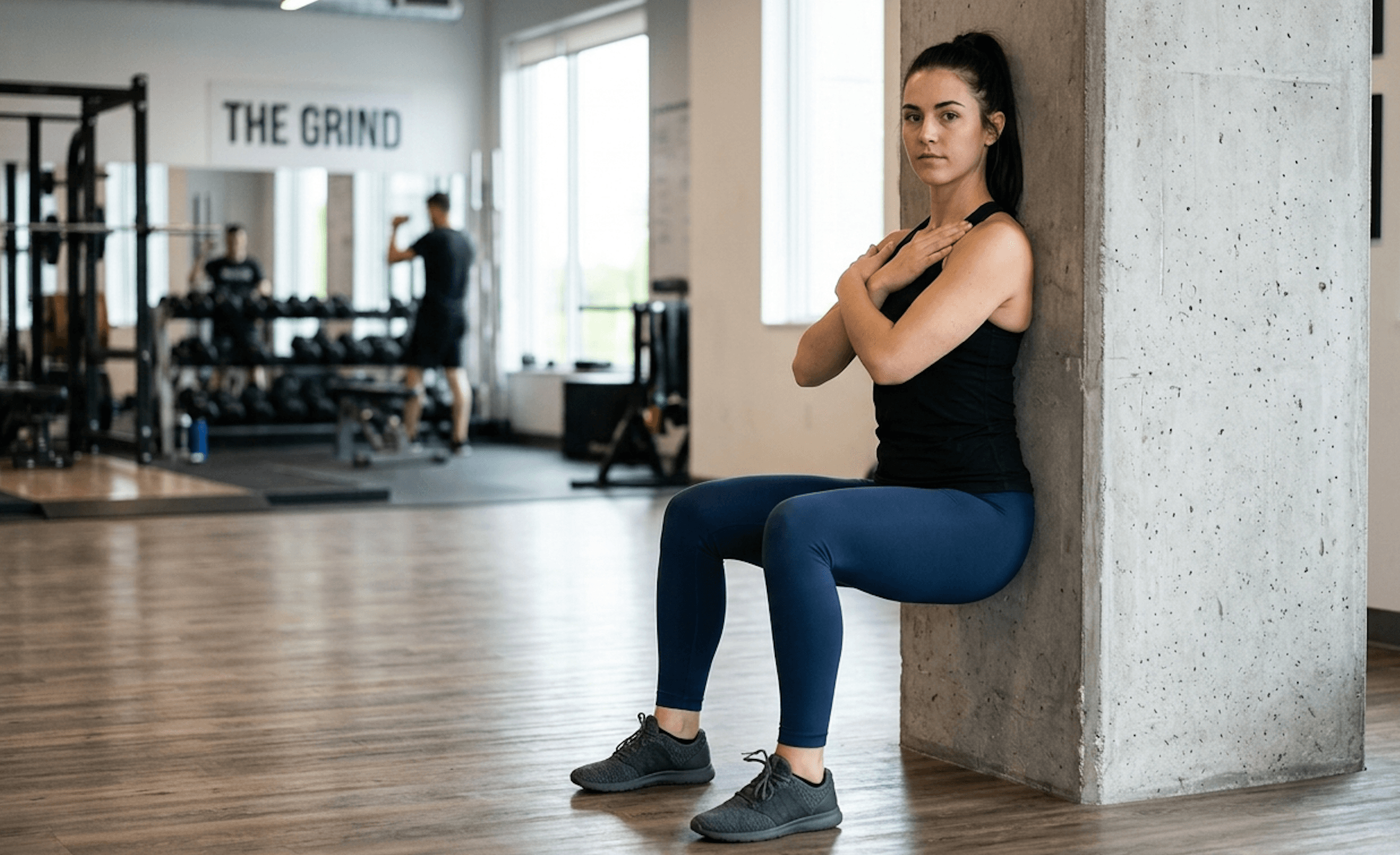
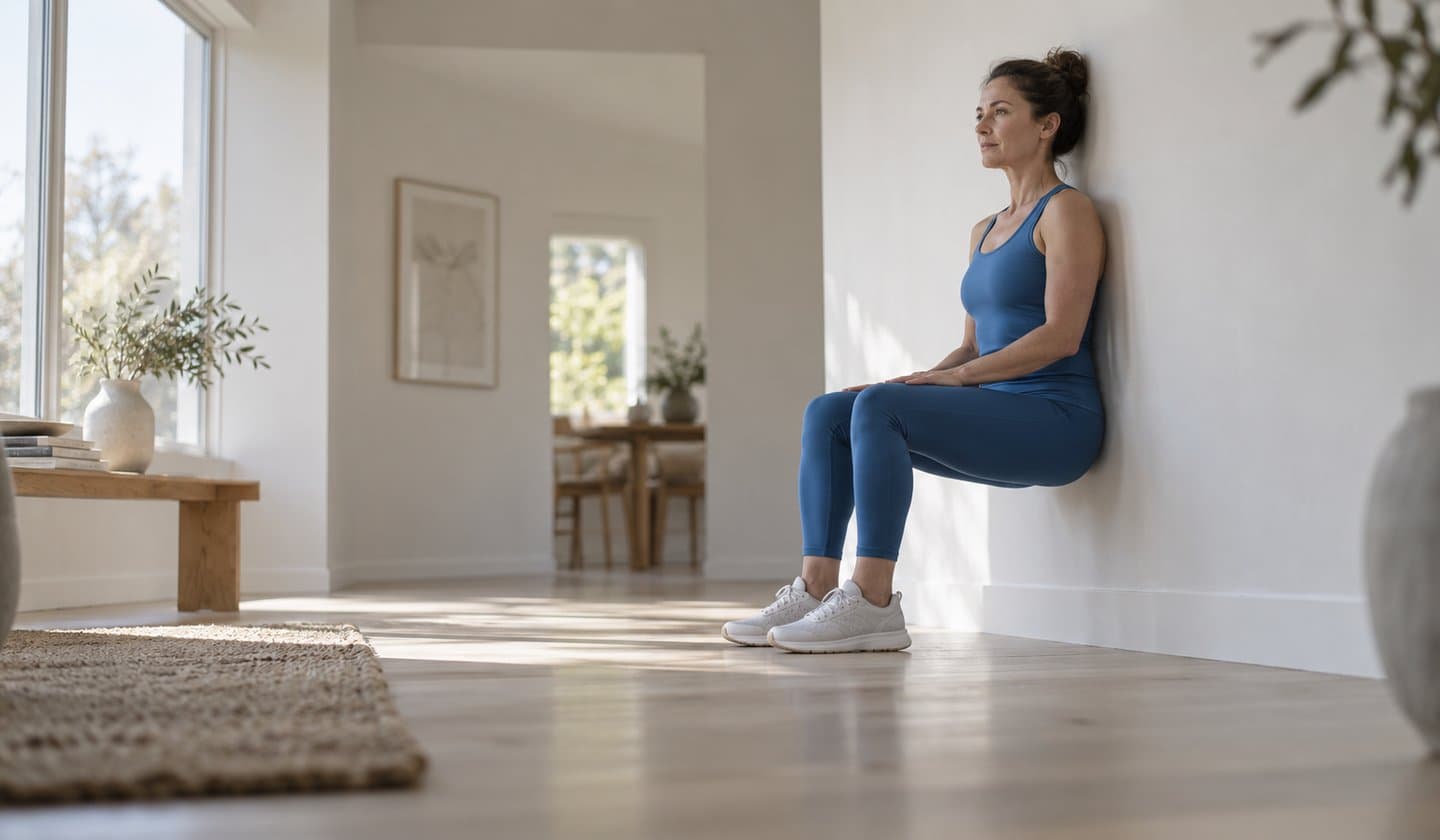
Short, hard wall-squat bouts can meaningfully improve blood pressure and break up a desk-heavy day. What the research supports, plus a realistic protocol.
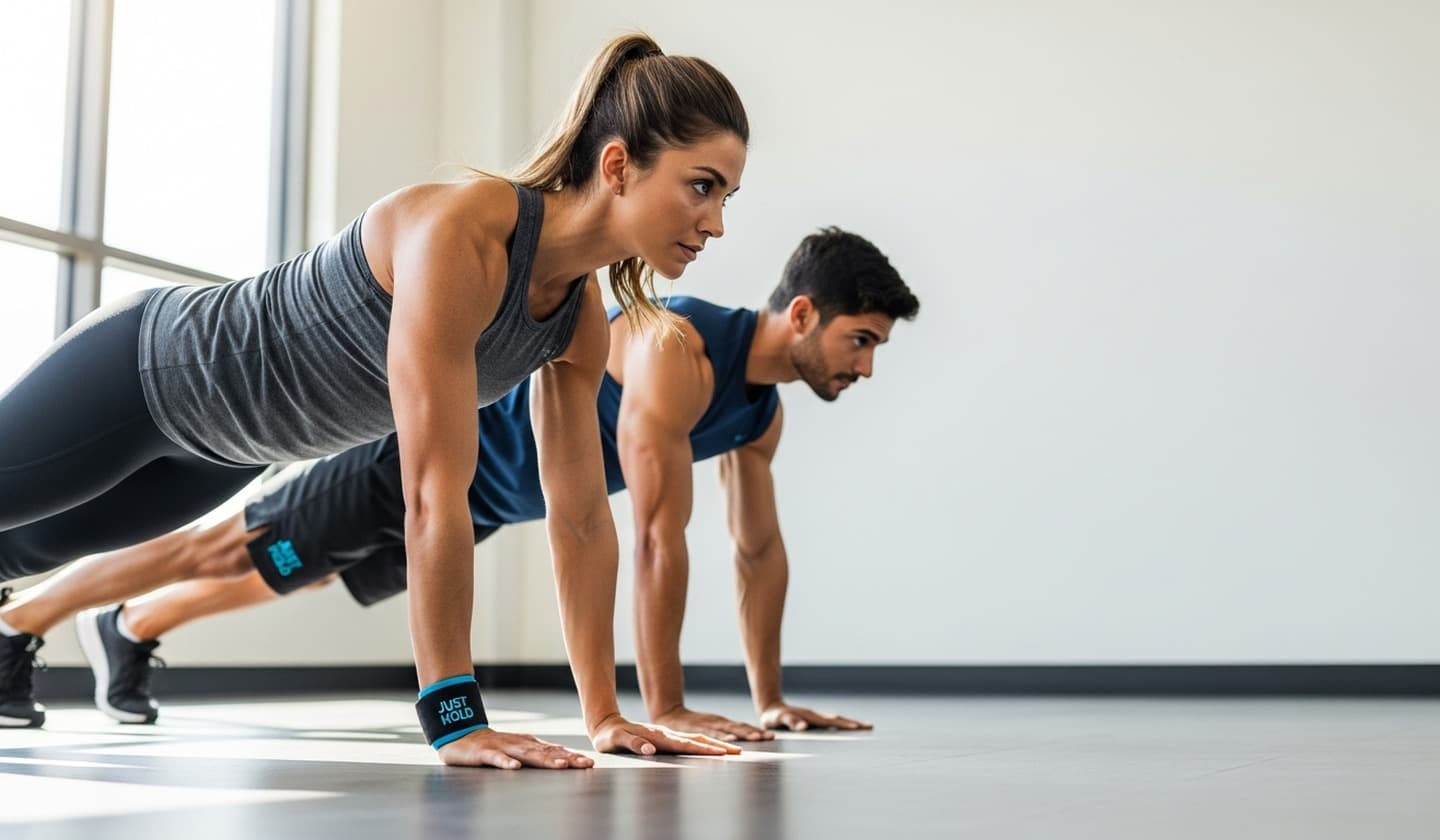
Six reasons isometric holds have earned a place in your week, from the blood-pressure evidence to joint-friendly loading, plus a 15-minute weekly template and a mini-challenge.
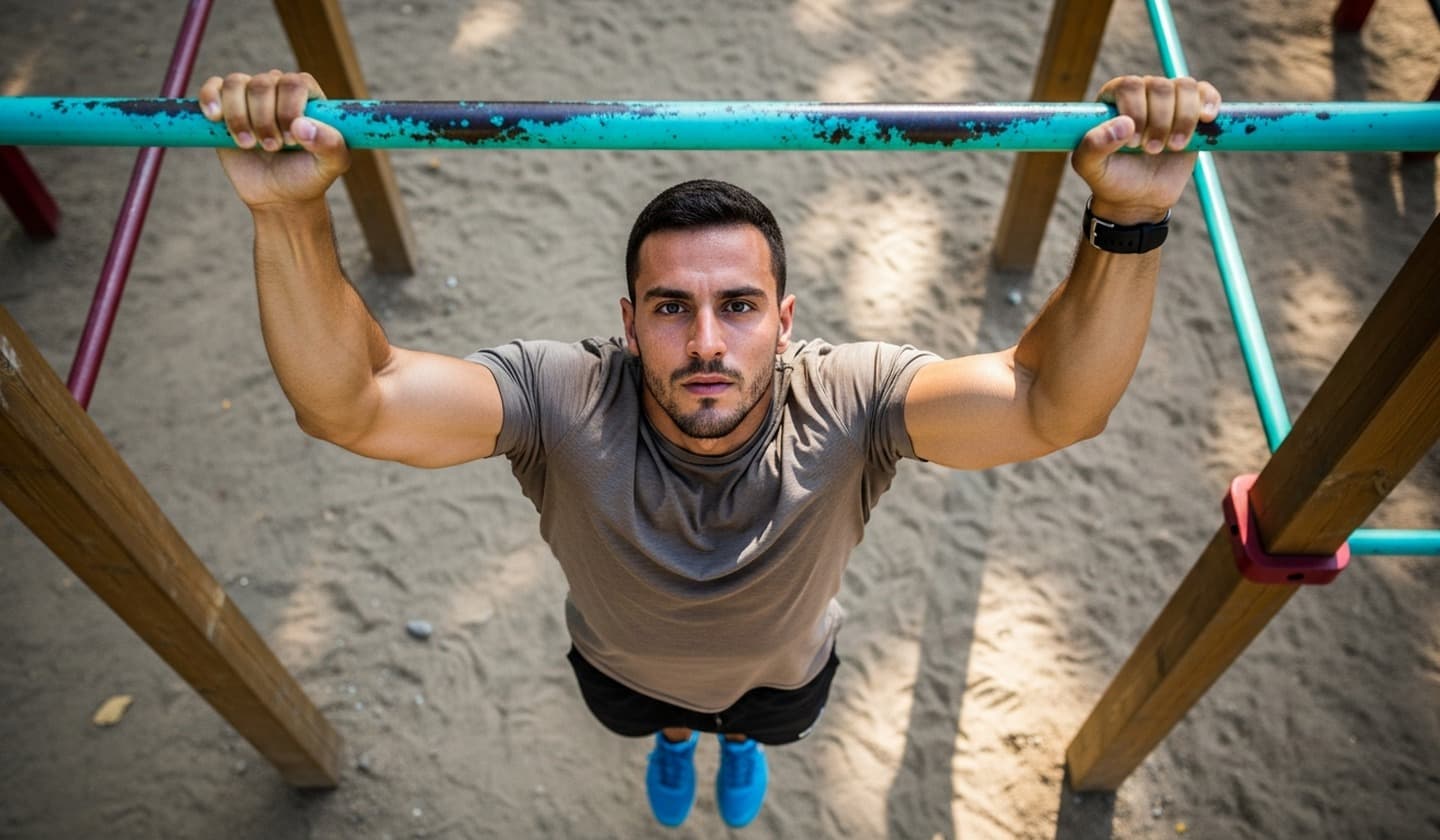
A minute a day hanging from a bar decompresses your spine, opens locked shoulders, and builds grip strength linked to long-term health. The evidence, plus a 30-day starter plan.
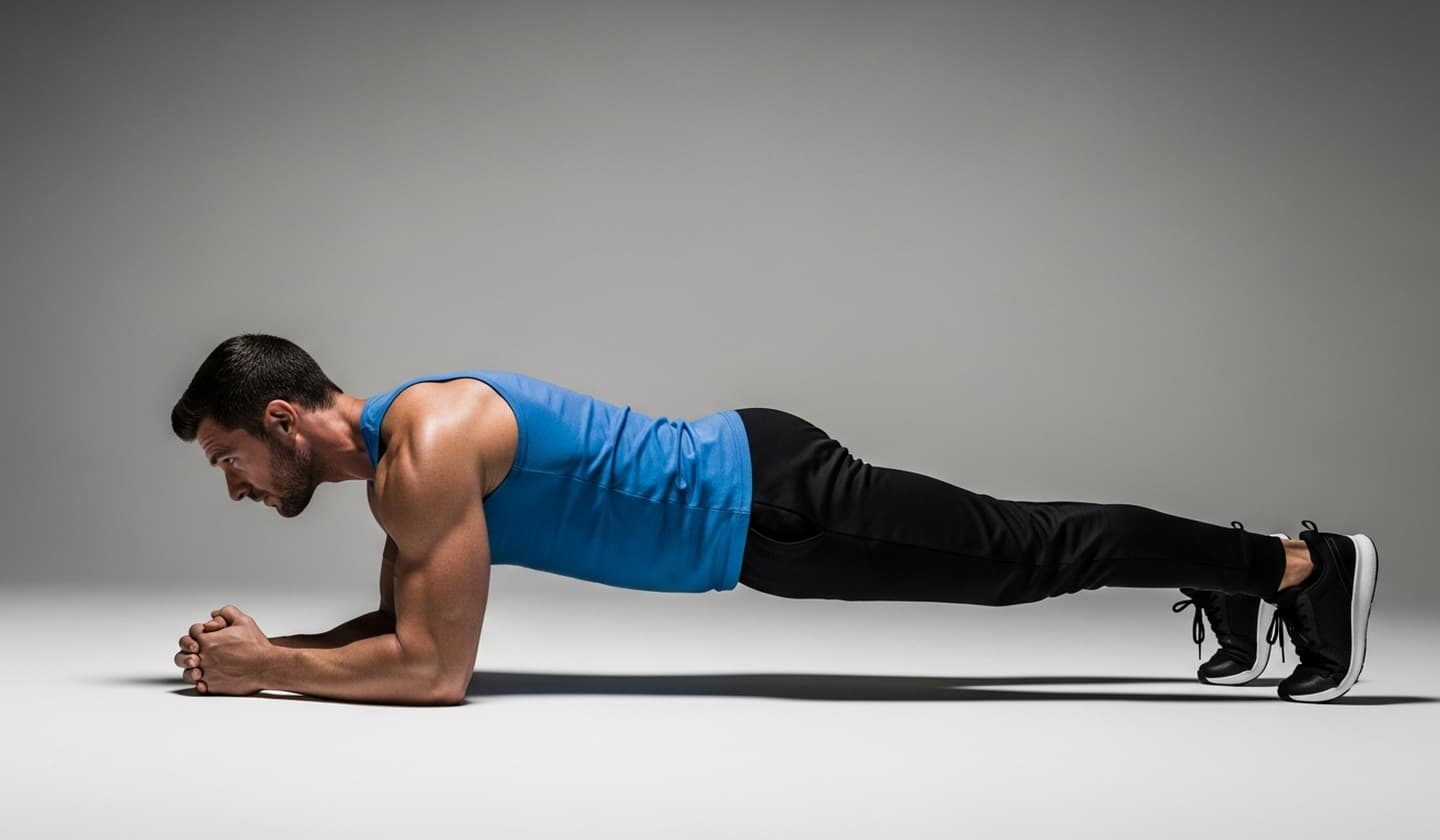
Consistency isn’t a motivation problem, it’s a systems problem. The framework, the first four weeks, and the habit-formation science behind making planks a daily ritual.